
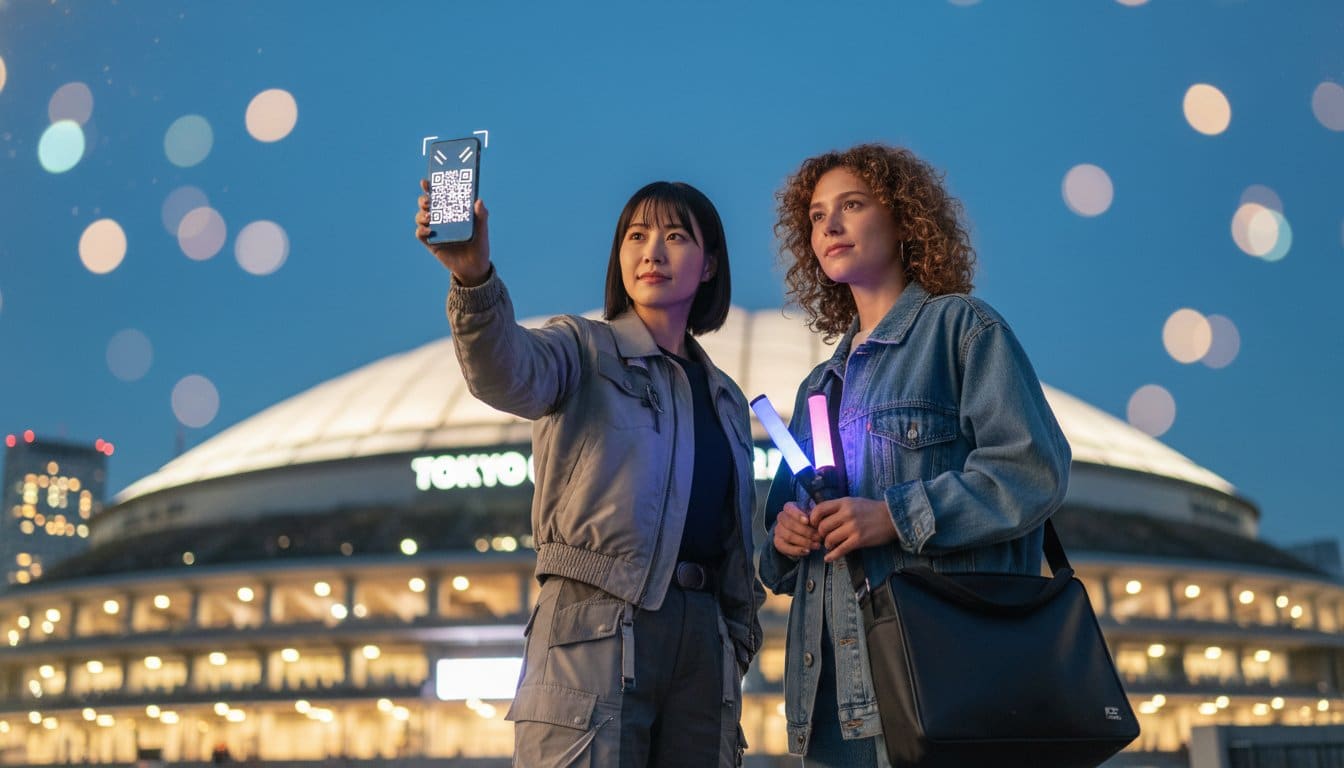
What to Bring to a Concert? Imagine standing outside the Tokyo Dome in 2026, surrounded by thousands of fans, only to realize your digital ticket app won’t activate because it requires a Japanese phone number. For the 15% of international visitors who face entry issues each year, this moment of panic is a real threat to their vacation. Knowing exactly what to bring to a concert in Japan is the difference between joining the crowd and watching from the sidewalk. You’ve likely invested over ¥100,000 in your travel and tickets already, so it’s vital to get the details right before you reach the venue gates.
How can I make a group booking?
For group bookings, please reach out via our Contact Us page with your event name, date, and number of tickets needed. Our team will prepare the best available options and assist you personally.
Contact Us →It’s understandable to feel overwhelmed by Japan’s unique requirements, especially when apps like AnyPASS or strict ID checks are involved. We promise to simplify this process by providing a definitive checklist for your 2026 concert experience. You’ll learn about essential digital setups, bag size limits, and how to handle venue coin lockers. This is where Jasumo Tickets assists. As a Japan-based service, we help global fans bypass these technical hurdles by handling the local requirements on your behalf. This guide previews the cultural etiquette and physical items you need for a perfect, stress-free night of live music.
Key Takeaways
- Learn why a physical passport is the only guaranteed form of identification for international fans and how to ensure your documentation matches your ticket registration.
- Understand the specific cultural etiquette for using official penlights and why high-quality binoculars are essential when deciding what to bring to a concert in japan for dome-scale events.
- Navigate venue logistics by preparing for strict A4-size bag restrictions and the common shortage of available coin lockers at major Japanese stadiums.
- Master the digital requirements for entry, including the necessary Japanese authentication apps and the critical importance of carrying a high-capacity power bank.
- Discover how JasumoTickets.com serves as your Japan-based concierge to overcome barriers like Japanese phone number requirements and complex lottery systems.
Essential Entry Requirements: What to Bring to a Concert
Entering a major stadium in Tokyo or Osaka involves much more than just showing a QR code. Security protocols at Japanese venues are among the strictest in the world. When you are planning what to bring to a concert in japan, your primary focus should be on your entry documents. Without the correct combination of a verified ticket and matching identification, venue staff will deny you entry. This is a common point of frustration for international fans who are used to more relaxed entry rules in other countries.
The global rise of Japanese popular culture has led to a massive increase in ticket demand. To combat scalping, organizers now use rigorous ID checks. This is where JasumoTickets.com assists by managing the complex Japanese-side process on your behalf. We ensure that the tickets you receive are legitimate and that you understand the specific entry requirements for your chosen event.
The Golden Rule: ID and Ticket Name Matching
In the Japanese ticketing world, the name printed on the ticket is known as the “Meigi.” It’s a fundamental rule that the Meigi must match the name on your government-issued ID exactly. Most official Japanese platforms lock this name at the time of purchase. It cannot be changed later. If you purchased a ticket via a secondary market where the original buyer’s name is still attached, you face a high risk of being turned away at the gate.
For fans with names written in Roman letters, ensure your ticket registration reflects the exact spelling in your passport. If a ticket is issued in Katakana, it must phonetically match your legal name. This technical hurdle is a primary reason why many travelers find the system inaccessible. JasumoTickets.com handles these Japanese-only requirements, such as local phone number verification and address registration, to provide a smoother experience for global fans.
Passport vs. Local ID: What to Carry
If you’re visiting Japan as a tourist, your physical passport is the only form of identification guaranteed to be accepted. While a residence card is valid for foreign residents, international visitors should not rely on a foreign driver’s license or a digital ID card. Venue staff at locations like the Tokyo Dome or Yokohama Arena are trained to recognize passports, but they often lack the authorization to verify foreign-language documents from other countries.
Keep your physical passport in a secure, accessible pocket of your bag. Don’t rely on a digital photo or a photocopy. In a 2024 survey of major J-Pop concert organizers, over 90% of venues stated they would only accept original physical documents for identity verification. If you are worried about carrying your passport in a crowded queue, use a secure neck pouch or a zipped internal jacket pocket. It’s the most important item on your list of what to bring to a concert in japan.
The Shift Toward 100% Digital Ticketing
By 2026, most major Japanese venues plan to transition to 100% digital ticketing systems. Various digital ticketing apps are already the standard for high-demand tours. These apps often require a Japanese mobile phone number for SMS authentication, which is impossible for most tourists to provide. JasumoTickets.com solves this problem by coordinating the ticket transfer process or providing local support in Japan to ensure you can access your digital seats.
Even with digital systems, carry a printed copy of your booking confirmation or a paper voucher if one was provided. While the digital app is your primary entry method, a physical backup can be a lifesaver if your phone battery dies or the venue’s Wi-Fi fails. If you are trying to attend an event in Japan and official platforms are not accessible, JasumoTickets.com can help. To request ticket assistance or check availability, visit JasumoTickets.com.
The Fan Experience: Must-Have Gear for Japanese Concert Culture
Attending a show in Japan is a highly coordinated event where the audience is as much a part of the performance as the artist. Fans often spend weeks preparing their gear to ensure they match the energy of the crowd. When deciding what to bring to a concert in japan, you need to think beyond your basic travel essentials. You are entering an environment with specific social codes and technical requirements that differ significantly from Western venues.
Preparation starts with understanding the venue size. A show at a “Live House” in Shibuya with 500 people requires very different gear than a 55,000-seat performance at Tokyo Dome. For those navigating the complex world of Japanese ticketing, Jasumo Tickets provides the necessary local support to secure your spot before you even start packing your bags. Once your entry is confirmed, you can focus on the specific items that will define your experience.
Lightsticks and Penlight Protocol
Lightsticks are the heartbeat of Japanese J-Pop and Idol culture. While you might want to bring a generic “King Blade” (a popular brand of customizable LED sticks costing around ¥3,500), check the official event website first. Many major artists now use wireless control technology like “FreFlow” or “Lumiace.” These official sticks, usually priced between ¥3,000 and ¥5,000, are synchronized via infrared signals from the sound booth. This allows the entire stadium to change colors in unison. If you bring a third-party stick to a show that bans them, staff will politely ask you to turn it off. Always pack a spare set of three AAA batteries. High-intensity LEDs drain power quickly, and finding a convenience store open late near a crowded venue is difficult.
Visual Aids for Dome and Stadium Shows
If your seats are in the “stand” or “balcony” sections of Kyocera Dome or Saitama Super Arena, binoculars are mandatory. For these massive spaces, look for a magnification of 8x or 10x. Anything higher than 12x often results in a shaky image that causes motion sickness. In 2026, we are seeing a significant trend toward “theatre glasses.” These are specialized, lightweight frames that you wear like spectacles, providing a 2x or 3x zoom without the need to hold anything. They are perfect for long three-hour sets where arm fatigue becomes an issue. If you are attending a summer stadium show where humidity levels often exceed 85%, apply an anti-fogging solution to your lenses. This prevents the frustrating “white-out” that happens when moving from a cooled concourse into a humid arena.
Before you finalize your gear list, it’s a good idea to review the U.S. Department of State travel advisory for the latest information on local laws and entry requirements. This ensures your trip remains stress-free from the airport to the encore.
Uchiwa and Merchandise Etiquette
The “Uchiwa” or decorated fan is a staple for showing support to specific members in a group. However, strict regulations apply to their use. The standard size limit is generally 28.5cm in width and 29.5cm in height. Fans must never raise their Uchiwa above chest level. Lifting a fan higher blocks the view of the person behind you and is considering extremely rude in Japanese concert etiquette.
If you plan to buy merchandise at the venue, arrive at least 4 hours before doors open. Most venues don’t provide plastic bags for merchandise anymore. Bring a sturdy, foldable tote bag to carry your towels, shirts, and “Gacha” items. This keeps your hands free for your lightstick and ensures your new purchases don’t get crush in the crowd. If you find the official ticketing apps or Japanese-only lottery systems too difficult to manage, Jasumo Tickets handles the Japanese-side process on your behalf, so you can focus on your fan gear.
To request ticket assistance or check availability for upcoming Japanese tours, visit JasumoTickets.com.
Venue Survival: Managing Storage, Weather, and Personal Comfort
Success at a Japanese show depends on logistics as much as the music. Many fans underestimate how strict local venues are regarding floor space and bag sizes. If you are wondering what to bring to a concert in japan, your first priority should be a minimalist mindset. Most standing-only venues, such as the Zepp network or Shibuya O-East, now enforce an “A4 size” bag policy. This means any bag larger than a standard sheet of paper might be barr from the floor. Security staff frequently use physical templates to check bag dimensions before you enter the queue. It’s common to see fans turned away from the line to find storage for oversized backpacks.
Preparation begins well before you reach the turnstiles. While you plan your trip, check the U.S. Department of State travel advisory for the latest entry requirements and safety information for Japan. Once your travel documents are ready, focus on the venue’s specific rules. Jasumo Tickets provides localizing support to help international fans understand these venue-specific restrictions, ensuring you don’t get stuck with prohibit items at the door.
Mastering the Coin Locker System
The “coin locker crisis” is a reality for late arrivals. Venue lockers inside the gates are often small and cost between ¥300 and ¥600. These fill up within minutes of the doors opening. If you have a suitcase or a large backpack, you cannot rely on venue storage. Instead, use station lockers located at major hubs like Shinjuku or Osaka Station. These larger lockers cost approximately ¥700 to ¥1,000 per day. If you have a large bag, arrive at the station at least 3 hours before the performance to secure a spot. For a guaranteed space, use the Ecbo Cloak app to reserve luggage storage at nearby shops or cafes. This service removes the stress of wandering through a crowded station looking for an empty locker.
Dressing for the Occasion
Your outfit choice directly impacts your stamina. In “Standing” blocks, heels and heavy platforms are often banning for safety reasons; venue staff may ask you to move to the back if your footwear poses a trip hazard to others. Choose supportive sneakers instead. You should also consider the “Member Color” tradition. Japanese fans often dress in the specific color assigned to their favorite performer. For example, in many J-Pop groups, fans wear red, blue, or yellow to show their bias. It’s a subtle way to show support and connect with the local community. Jasumo Tickets helps global fans navigate these cultural nuances so you feel like a part of the crowd rather than just a spectator.
Temperature control is another factor when deciding what to bring to a concert in japan. Summer temperatures in Tokyo often exceed 35°C with high humidity, making cooling wipes and portable fans essential. Conversely, winter queues involve standing outside in near-freezing temperatures for hours. Buy “Kairo” heat packs from a convenience store for about ¥100; they stay warm for up to 12 hours. Inside the venue, the air conditioning is often aggressive. Wear light layers that you can easily tie around your waist once the show begins. If you struggle with the technical side of the Japanese ticketing process, JasumoTickets.com handles the local requirements on your behalf.
To request ticket assistance or check availability for upcoming events, visit JasumoTickets.com.
Digital Preparation: Ensuring Your Tech is Concert-Ready
Japan has shifted almost entirely to digital ticketing for major events. If you are researching what to bring to a concert in Japan, your smartphone is the single most critical item on the list. It is no longer just a communication device; it is your actual entry pass. Without a working phone and the correct apps, you won’t get past the first security check. Most major tours use platforms like AnyPASS, Ticket Pia, or Lawson Ticket. These systems are building for domestic users and often present hurdles for international fans who don’t have local contact details.
Navigating AnyPASS, Pia, and Lawson Apps
The biggest obstacle for overseas visitors is the SMS authentication process. Many Japanese ticket apps require a local phone number starting with 070, 080, or 090 to verify your identity. If your international phone cannot receive these specific verification texts, you won’t be able to download your ticket. JasumoTickets.com solves this problem by handling the Japanese-side registration and coordinating ticket transfers so you don’t get stuck at the gate. You should ensure your app is update to the latest version at least 48 hours before the show. If the app fails at the entrance, look for the “Help Desk” or “Relations” window. These staff members can often manually verify your purchase if you have your passport and order confirmation ready.
Power and Connectivity Solutions
A dead battery is a total disaster when your ticket is dynamic. Dynamic QR codes refresh every 30 to 60 seconds. This means a screenshot will not work for entry. You must have a portable power bank with at least a 10,000mAh capacity. This provides roughly two full charges for a standard smartphone, which is necessary if you’ve been using GPS and taking photos all day. In 2023, several venues in Tokyo reported entry delays because fans could not load their tickets due to congested “Free Wi-Fi” networks. Relying on public Wi-Fi is a major risk. A dedicated travel SIM card or a Pocket Wi-Fi device ensures you have the 4G or 5G speeds needed to pull up your ticket instantly. Don’t wait until you’re in the queue to test your connection.
Battery, Connectivity, and Ticket Access: What Every Fan Needs
While ticketing is digital, the merch booth might have different rules. Many venues still require cash for small purchases like coin lockers or drinks. Lockers usually cost between ¥300 and ¥600 depending on the size. For official merchandise, most tours now accept IC Cards like Suica or Pasmo, alongside Apple Wallet and Google Pay. Setting up your digital transit card in your phone’s wallet before you arrive makes buying a ¥3,500 tour t-shirt much faster. If you want to avoid the stress of these technical requirements, JasumoTickets.com can manage the local sourcing and digital delivery for you.
Before leaving your hotel, check that your phone’s region settings don’t interfere with the app’s functionality. Some Japanese apps require your device time to set to “Automatic” to sync with the ticket’s security clock. If your time is even one minute off, the QR code might not generate. When considering what to bring to a concert in Japan, remember that your digital prep is just as important as your physical gear. Taking ten minutes to double-check your app login and battery health can save your entire night.
If you are trying to attend an event in Japan and official platforms are not accessible, JasumoTickets.com can help. To request ticket assistance or check availability, visit JasumoTickets.com.
Overcoming Japans Ticketing Barriers with Jasumo Tickets
You have already researched the venue and decided what to bring to a concert in japan, but the most difficult hurdle often happens months before you land at Narita or Haneda. Japan’s ticketing ecosystem is notoriously close to outsiders. Approximately 90% of major ticketing platforms, including Lawson Ticket and Ticket Pia, require a Japanese SMS-verified phone number just to create an account. For an international fan, this barrier is often impossible to bypass alone. This is where Jasumo Tickets acts as your essential local bridge. Based directly in Japan, the service functions as a specialized concierge that handles the domestic requirements you cannot fulfill from abroad.
Jasumo Tickets manages the entire procurement process. They provide the Japanese address and phone number data necessary to finalize a purchase. It is a human-backed service that understands the nuances of the local market. Whether it is a J-Pop stadium tour or a niche underground show, they navigate the “Japanese-only” technical side so you don’t have to. Their team manages the purchase on your behalf and coordinates the delivery, whether that means a digital transfer or physical tickets sent to your hotel in Tokyo or Osaka.
The Jasumo Advantage for International Fans
Digital ticketing has added a new layer of complexity for overseas visitors. Many tours now use apps like AnyPASS or e-plus, which are often region-lock or require specific Japanese mobile settings. Jasumo Tickets specializes in handling these technical transfers. They ensure your digital assets are correctly moved to your device before the show starts. Beyond just the ticket, they provide clear English-language support for venue rules that are usually only post in Japanese. This includes specific details on door times, re-entry policies, and prohibit items, ensuring you know exactly what to bring to a concert in japan to avoid being turned away at the gate.
Securing Your Spot at High-Demand Events
Most high-profile concerts in Japan don’t use a first-come, first-served model. Instead, they rely on a complex lottery system known as “抽選” (chushen). Fans must apply for the chance to buy a ticket, and these applications require a deep understanding of Japanese platforms. Jasumo Tickets navigates these lotteries on your behalf, increasing your chances of success. If an event is already sold out, they source tickets from verified and reliable secondary markets within Japan. While prices in these scenarios can rise above the standard face value of ¥12,000 or ¥15,000 due to high demand, Jasumo ensures the sourcing is legitimate and the tickets are valid for entry.
- Local Expertise: Being Japan-based allows the team to react quickly to local sales announcements and changes in venue policy.
- Language Support: All communication is in clear English, removing the stress of using translation software on confusing checkout pages.
- Reliable Sourcing: Every ticket sourced through secondary markets is verified to ensure it is authentic and ready for use.
- Transparent Process: You receive updates on your application status and clear instructions on how to receive your tickets once they are issued.
Using a professional handling service provides the peace of mind that your trip won’t be ruined by a ticketing error. It turns a frustrating, technical process into a simple transaction. If you are trying to attend an event in Japan and official platforms are not accessible to you, Request ticket assistance for your upcoming Japan trip at JasumoTickets.com. Their team is ready to help you navigate the system and secure your spot at the show.
Prepare for Your 2026 Japanese Concert Adventure: What to Bring to a Concert
Success at a Japanese venue starts with the right preparation. You’ll need your physical passport for ID checks and a high-capacity power bank to keep your digital tickets accessible throughout the night. Knowing what to bring to a concert in japan, from comfortable shoes to specific fan gear, ensures you focus on the music rather than logistics. Remember that station lockers fill up fast; expect to pay between ¥300 and ¥700 for small bags. Organizing your tech and gear ahead of time prevents last-minute stress at the gate.
Navigating Japan’s complex ticketing landscape shouldn’t be the reason you miss your favorite artist. Since most platforms require a local phone number and address, many international fans find themselves locked out of the best shows. Jasumo Tickets is a Japan-based concierge service that removes these barriers. They offer expert handling of AnyPASS transfers and digital ticket apps with a full refund guarantee if your tickets aren’t delivered. Their team acts as your local partner to ensure your entry is secure and straightforward.
Let Jasumo Tickets handle your Japan event access today and start planning your perfect trip. We’ll see you in the front row!
Frequently Asked Questions: What to Bring to a Concert
No, you cannot use a screenshot because most Japanese ticketing apps use dynamic QR codes. Systems like AnyPASS or Lawson Ticket refresh the entrance code every 30 seconds to prevent unauthorized transfers. If you don’t have a Japanese phone number to activate these apps, JasumoTickets.com can manage the technical process for you. We handle the local registration so your ticket remains valid and accessible on your device when you arrive at the gate.
Professional cameras and recording devices are strictly prohibited at almost all Japanese concerts. Unlike many Western shows, even taking a quick photo with a smartphone can lead to immediate ejection from the venue. Security staff actively patrol the aisles to enforce these rules. Over 95% of Japanese domestic artists maintain a total ban on photography, so it’s best to keep your phone in your pocket once the performance begins.
You must bring your physical passport because a digital copy is rarely accepted for identity verification. Japanese venues often perform random ID checks to ensure the name on the ticket matches the attendee. If a staff member asks for ID and you only have a photo on your phone, they will likely deny you entry. This is a common requirement for high-demand shows where resale is strictly monitored, and JasumoTickets.com can help you understand which events require physical ID.
Japanese venues don’t have a formal dress code, but comfort is essential when deciding what to bring to a concert in Japan. Most fans wear artist-branded t-shirts and sneakers. If you’re in a standing-only block, avoid wearing high heels or large hats that block the view of others. Many smaller venues, like Zepp DiverCity, require a ¥600 drink fee at the door, so keep small coins or a Suica card accessible in your pockets.
Arrive at least 90 minutes before the scheduled start time for a sold-out concert. If you have a standing ticket, your entry depends on a specific entry number printed on your ticket. Missing your number’s call means you’ll be moved to the back of the line. For reserved seating, 60 minutes is usually enough time to clear security, find your block, and visit the restroom before the lights go down.
Most indoor arenas and theaters prohibit bringing outside food or drinks into the seating area. Staff will often ask you to finish or discard open beverages before you pass through the ticket gate. You can purchase bottled water or tea inside for approximately ¥200 to ¥300. Some live houses include one mandatory drink in the ticket price, which you collect at a dedicated bar inside the venue after paying the entry fee.
A dead battery is a major problem for digital tickets since venues don’t provide charging stations at the gate. If this happens, look for a “Troubleshoot” or “Information” desk near the entrance. It’s much safer to carry a portable power bank, as staff can’t always verify your purchase without the live app. JasumoTickets.com provides clear instructions on how to keep your digital tickets active throughout the event day to avoid these stressful situations.
You can buy merchandise after the show, but popular items like t-shirts and towels often sell out during the pre-show window. Many fans arrive 3 to 4 hours early just to join the merchandise queue. If you wait until the end, you’ll face long lines and limited stock. JasumoTickets.com helps international visitors understand these local customs so they don’t miss out on limited edition goods. To request ticket assistance or check availability, visit JasumoTickets.com.
